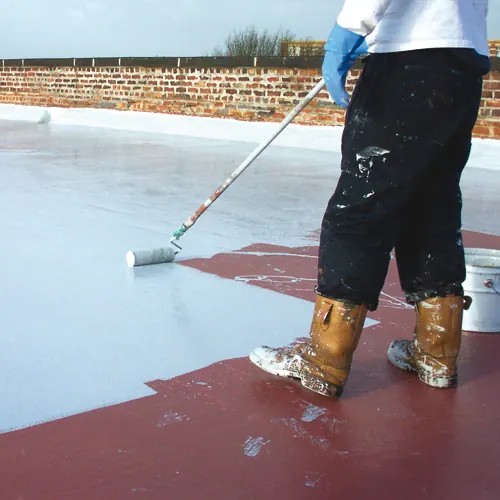
The call connects you with independent local roofing pros. DryDeck Rapid Help is a referral service, not a contractor. We do not install roofs ourselves, and we cannot verify any provider's licensing, so you should ask each pro directly.
This page explains your options, what the installation process looks like, what changes the scope of the job and what to expect in a dense Hudson County city. It is written for owners, landlords, tenants who are pushing for action and building managers or co-op boards.
When is it time to replace a flat roof instead of patching it?
It is time to replace when patches keep failing, the membrane is worn across large areas or the insulation underneath is wet. A single leak at one seam can often be patched. Leaks in several spots, or the same spot coming back, usually point to an aging system.
In West New York, many flat roofs sit on older 2-4 family rowhouses, walk-ups and mid-rise apartment buildings. Summer heat, freeze-thaw cycles and gusts off the Hudson wear these roofs down. Once a membrane has aged out, repairs can become a costly cycle.
If water is coming in now, a temporary roof tarp or patch can protect the units below while you collect scopes for a full job.
- Repeated leaks in different spots after rain
- Roof blisters, cracking or bare patches where gravel has washed away
- Seams that are peeling or open on EPDM or TPO
- Ponding water that stays more than a day or two after a storm
- Water-stained ceilings or sagging ceiling drywall in top-floor units
- Spongy feeling underfoot, which can mean wet insulation or soft roof decking
What flat roof systems are used on multi-family and mixed-use buildings?
The most common choices are modified bitumen, EPDM rubber, TPO and built-up (tar and gravel) roofing. Each has trade-offs, and the right pick depends on your building, budget and how long you plan to own it. A good pro will explain why they recommend one system over another.
Modified bitumen and torch-down roofing
Modified bitumen is an asphalt-based sheet with added polymers for flexibility. Torch-down roofing is a common way to install it, using heat to bond the seams. It is popular on older city buildings, but open-flame work needs strict fire safety, especially next to shared walls. Ask the pro how they handle that, and whether a cold-applied or self-adhered option is possible.
EPDM rubber membrane
EPDM is a black rubber sheet that is flexible in cold weather and often used on rowhouse roofs. It can be glued or mechanically attached. The seams and edges are where it tends to fail, so ask how flashing details will be handled at walls and penetrations.
TPO membrane
TPO is a white or light-colored single-ply membrane with heat-welded seams. The reflective surface can help limit summer heat on the top floor. Quality varies by product and installation, so ask about the manufacturer, the warranty terms and who stands behind the work.
Built-up roof (tar and gravel)
A built-up roof layers felts and hot or cold asphalt, often topped with gravel. It has a long history on city buildings and can be durable, but it is heavy and slower to install. Staging hot material on a tight rooftop in a dense neighborhood needs careful planning.
Dealing with this in West New York right now? Call and get connected with an independent local pro.
Call for Fast Help: (201) 578-5264What does a flat roof installation look like, step by step?
A typical job starts with an inspection and ends with a cleaned-up roof and paperwork. The exact steps change with the system, but the flow is similar. Ask each pro to walk you through their plan in plain words.
First, the pro checks the roof, often with a roof inspection and condition report. Moisture or thermal surveys may show where insulation is wet. Then they decide between a tear-off and an overlay, where the code and the roof's condition allow it.
Next, crews protect the building and the street below. The old roofing is removed if needed, damaged roof decking is replaced and new insulation and underlayment or base layers go down. The membrane is installed, with seams sealed or welded.
- Inspection and written scope of work
- Permit review with the municipal construction office, where required
- Access, staging and safety plan for the roof and sidewalk
- Tear-off or overlay, deck repair and insulation
- Membrane installation and seam work
- Flashing at parapet walls, wall flashing, counterflashing and penetrations
- Drain, scupper and slope checks to limit ponding water
- Cleanup, final walk-through and warranty paperwork
What details cause the most leaks on a new flat roof?
Most leaks on a new flat roof start at details, not in the open field of the membrane. The weak points are edges, corners and anything that pokes through the roof. Good detail work matters more than which brand of membrane is chosen.
Watch the parapet walls, where wall flashing and counterflashing must be tied in properly. Check the HVAC curb, vents and other roof penetrations, plus skylights and bulkheads. Ask who will fix the drains and scuppers too, since clogged or undersized drains lead to ponding water.
Poor slope is another problem. Water that sits on a membrane ages it faster and finds weak seams. A pro can add tapered insulation or new drain points to move water off. For more on that issue, see our page on roof drains, scuppers and ponding water.
What affects the scope and timeline of a re-roofing job in West New York?
The scope depends on roof size, condition, system choice, access and permits. We do not quote prices, and any number you hear should come from the provider in writing after they see the roof. Ask for a clear scope so you can compare bids fairly.
Access is a big local factor. Narrow streets, tall buildings, shared walls and tight rooftop stair bulkheads can make material delivery and lifts harder. Some jobs need sidewalk or street coordination, so ask the pro who handles it.
Weather also matters. Membranes need dry conditions, so rain, cold snaps and wind can pause the work. Spring and fall are often busy. If you can plan ahead, book before storm season instead of after a nor'easter exposes the problem.
Building rules add time too. Co-op boards, condo associations and landlords often need approvals, and tenants may need notice before crews work overhead.
- Size and shape of the roof, plus parapet height
- Number of layers already on the roof
- Wet insulation or damaged decking found at tear-off
- Number of penetrations, curbs and drains
- Rooftop access and staging space
- Permit and inspection schedule
- Weather windows
Do you need a permit or licensed contractor in New Jersey?
Re-roofing often needs a permit under the NJ Uniform Construction Code (NJ UCC), handled through the municipal construction office. Rules vary by scope, so ask the local office or your pro what applies to your building. Do not assume a permit is optional.
In New Jersey, contractors doing home improvement work generally must be registered as home improvement contractors with the NJ Division of Consumer Affairs. Some work may also need other trade licenses. We cannot verify any provider, so confirm registration, licensing and insurance directly and ask for proof before signing.
Get the contract in writing. It should list the roofing system, scope, materials, payment schedule, warranty and who pulls the permit.
What should you do while you wait for a new roof?
Protect the people and property below first. If water is entering, move belongings, place buckets and call the number on this page to ask about a temporary seal. Tell the pro what you see and where.
Take photos and short videos of the roof, ceilings and any stains. This helps with insurance claim documentation and with the roofing scope. Keep any inspection report, invoices and messages in one folder.
If a ceiling is sagging or bulging with water, stay out of that area and avoid poking it unless a pro tells you how. Watch for mold growth on walls and ceilings. For ceiling issues, see what to do about ceiling leaks.
How can you make a new flat roof last longer?
Regular upkeep is the best way to get more years from a new flat roof. Clear drains, scuppers and debris after storms, especially in fall. Have the roof checked after major wind or heavy rain, and keep foot traffic and rooftop equipment work to a minimum.
A maintenance plan, such as cleaning, seam checks and roof coating and preventive maintenance, can catch small problems early. Keep records, since many warranties require proof of care. Mixed-use buildings along the Bergenline Avenue corridor often have extra rooftop equipment, so they may need more frequent checks.
Who do you call for flat roof installation near West New York?
Call the number on this page and describe your building and what is going on with the roof. You will be connected with independent local pros who work in West New York and nearby towns such as Guttenberg, Union City, North Bergen, Weehawken and Edgewater. The same line handles urgent leak calls, so if water is coming in tonight, say so right away.
If you are starting from a leak, our local West New York emergency roof leak repair home page explains how fast help works. If the roof is damaged by a storm, you may also want to read about storm damage roof repair.
Frequently asked questions
Which flat roof system is best for an older multi-family building?
There is no single best option. Modified bitumen, EPDM, TPO and built-up roofing all work when installed well. The right choice depends on the roof's condition, budget, fire safety limits next to shared walls and how long you plan to keep the building. Ask the pro to explain why they suggest one.
Can a new flat roof go over the old one?
Sometimes, but not always. An overlay may be allowed if the old roof is dry, flat and not too heavy. If insulation is wet or the deck is damaged, tear-off is usually needed. Local code rules and the pro's inspection decide it.
How long does flat roof installation take?
Small rowhouse roofs may take a few days, while larger buildings can take longer. Weather, access, permits and hidden deck damage all change the timeline. Ask the pro for a schedule in writing and what happens if rain delays the work.
Do I need a permit to replace a flat roof in West New York?
Often yes. Re-roofing usually falls under the NJ Uniform Construction Code and goes through the municipal construction office. Ask the local office or your pro what applies, and who will pull the permit.
What can I do about a leak until the new roof is installed?
Call the number on this page and ask about an emergency roof tarp or temporary patch. Move items away from the leak, document the damage with photos and keep the area clear of anyone if the ceiling is sagging.
Does DryDeck Rapid Help install roofs?
No. DryDeck Rapid Help is a referral service. We connect you with independent local providers. Confirm each provider's registration, licensing, insurance and warranty details directly before hiring.